
 Call:


Seasonal effects of dementia
Did you know that dementia symptoms can get significantly worse in the winter? That’s the surprising finding of a recent study. It also found evidence that people who have not been diagnosed with the condition are more likely to display symptoms likely to lead to diagnosis during the shorter days. We’ve been looking into the research and pulling together our tips for helping your loved one cope with the seasonal changes.
 We recently wrote an article on the impact of ‘sundowning’ on dementia; this is the term for when someone with dementia exhibits an increase in certain behaviours in the later afternoon or early evening; they may become more agitated or confused or even display signs of more challenging behaviour. This pattern may continue for several months and often occurs in those in the moderate to severe stages of dementia.
It is generally accepted that ‘sundowning’ may be caused by a disturbance to the 24-hour 'body clock' that tells our bodies when to sleep, caused by the physical changes to the brain. Too little or disturbed sleep, too little or too much light or indeed excessive and disturbing noise can all contribute to the disturbance.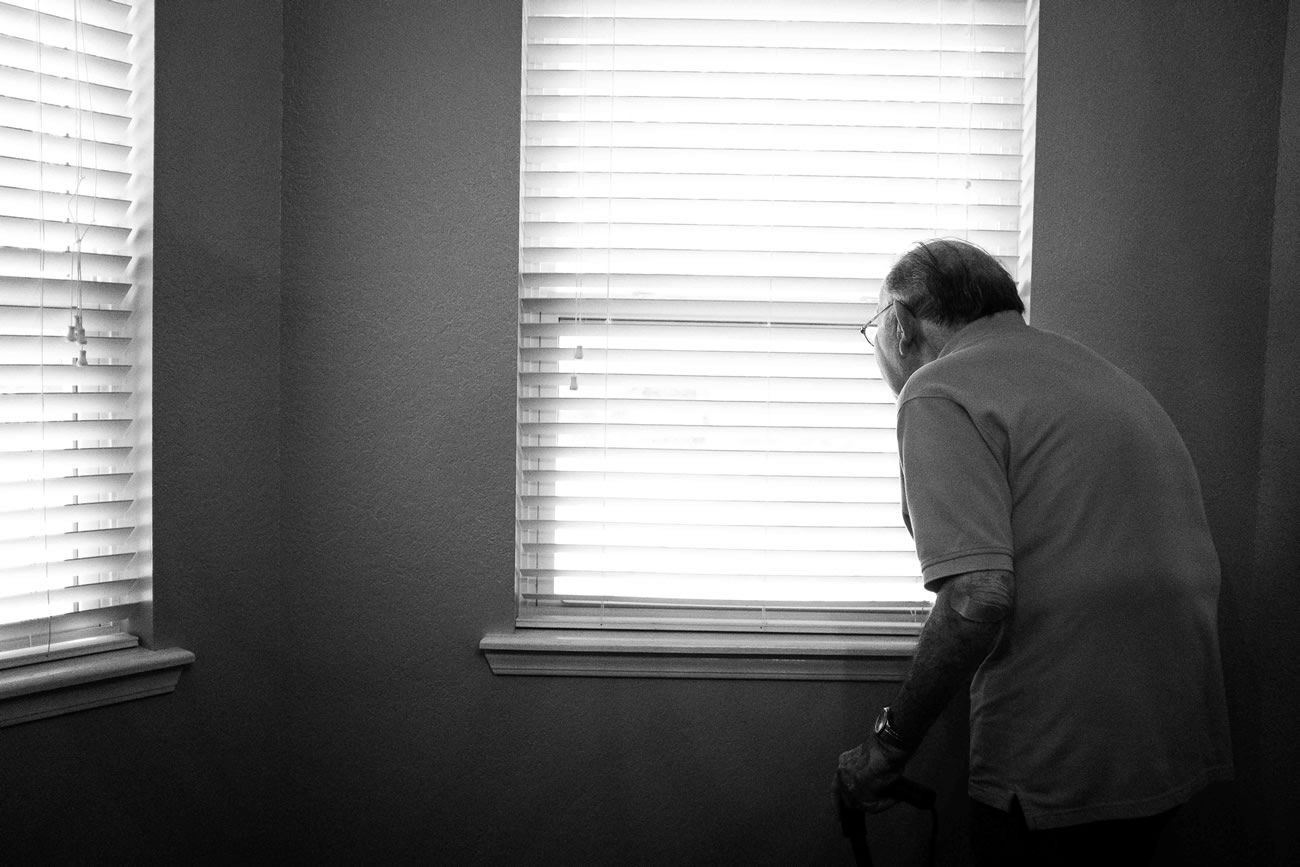
But it seems that changes in body clocks and light are not only caused by the change from day to night; new research shows that seasonal changes can also have an impact on dementia symptoms.
The latest dementia research
A recent study which looks into the effects of seasons on Alzheimer disease has shown that symptoms are more likely to be exaggerated during the winter months. The study looked at data from over three thousand people living in the USA, Canada and France, some with and some without Alzheimer’s. All participants in the study went through neuropsychological testing (a fancy term for assessing how someone’s brain works), and some participants were tested for levels of proteins associated with Alzheimer’s development.
Once the data was analysed, the key findings were:
- During winter and early spring, Alzheimer’s symptoms were staggeringly worse than in the summer and autumn; on average, this equated to 4.8 years of Alzheimer’s development.
- During winter and early spring, participants were 31% more likely to fall into the range of symptoms for Alzheimer’s diagnosis.
- Levels of Alzheimer-related proteins changed across the seasons – this has implications for future methods of diagnosing dementia.
What dementia symptoms are made worse?
As the days get shorter and nights get longer, you may notice changes in the dementia symptoms of your loved ones. These can include:
- Worsened sundowning – Sundowning is a term used to describe increasing agitation, aggression or confusion in the late afternoon or early evening. These symptoms may worsen during winter and early spring.
- Sleep disturbance – Dementia can mess with the part of the brain which controls our internal body clock. Early darkness can cause further confusion to dementia patients and leave them restless during the night.
- Depression – Seasonal Affective Disorder (SAD) is a form of depression caused by a lack of daylight, which often occurs during the winter.
Ways to cope with your loved one’s winter dementia
Dementia can be tough to deal with at the best of times. Here are things you can do to help manage the condition during winter when symptoms can worsen:
- Make the most out of natural sunlight: Go for a short walk with your loved one round the garden or, if it’s too cold, sit by the patio doors and let the natural light flood in; this can do a lot to boost the mood and reduce stress.
- Create calm at sunset: Keeping the room and surroundings of your loved one with dementia calm and quiet during late afternoon and the evening or play some relaxing music to help reduce sundowning.
- Keep things routine: Try your best not to change any schedules or disrupt your loved one’s daily routine; it can cause confusion and frustration.
Ask for help: If you are struggling, ask a friend or family for help and support. If you don’t have anyone who can help you out, then there may be initiatives in your local area. The Alzheimer’s Society has a national dementia helpline to offer you support or advice about dementia.
Winter can be a difficult time when you are caring for a loved one with dementia, however, you’re not alone. There are local support groups and expertise that you can call upon to help you to help your loved one live their best life.
Looking for a care home for you, or a loved one, to Live Your Life?
Call 01892 556 500 to arrange a visit to Rusthall Lodge Care Home
Serving Rusthall, Langton Green, Tunbridge Wells and the surrounding areas in Kent and Sussex
Residential care, Nursing care, Respite care
Written on 23rd November 2018